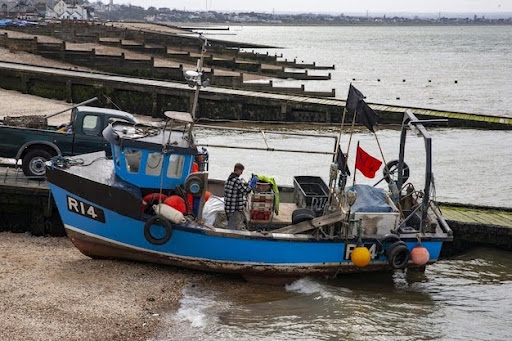
After severe weather, boats may be stranded on shore, damaged at docks, or left partly submerged. Boat salvage and recovery helps owners address damage while reducing risks to people, waterways, and property. Winds, flooding, and storm surge can scatter debris and harm marine habitats, so recovery should begin only when conditions are safe.
1. Assess the Damage Carefully
Inspect the area from a safe location before moving a damaged vessel. Look for hull cracks, broken masts, damaged mooring lines, electrical hazards, and debris.
Boat salvage and recovery professionals assess whether a vessel is stable, grounded, taking on water, or at risk of sinking. Photograph visible damage for insurance, but do not enter an unstable boat.
2. Put Safety Before Speed
Storm aftermath can leave strong currents, unstable docks, sharp metal, and downed power lines. Keep people away until the area is secure, and contact emergency services if anyone is in danger.
Boat salvage and recovery requires trained crews with protective equipment, pumps, lifting gear, and a clear plan. Never attempt a difficult tow or underwater operation without suitable skills.
3. Choose the Right Recovery Method
The method depends on the boat’s size, location, condition, and water depth. A floating vessel may need pumping, stabilization, or towing. A grounded boat may require winching, while a sunken vessel can need divers, flotation bags, cranes, or specialized equipment.
Boat salvage and recovery teams plan carefully to prevent further damage and protect nearby boats.
4. Prevent Environmental Damage
Storm-damaged boats may contain fuel, oil, batteries, and hazardous materials. Leaks can harm wildlife, contaminate shorelines, and increase cleanup costs. If you notice a sheen or leak, keep clear and report it to local authorities.
Boat salvage and recovery crews should contain pollution when safe, handle hazardous materials correctly, and follow disposal rules rather than dumping waste into the water.
5. Document Costs and Contact Insurers
Keep photographs, repair estimates, towing invoices, and contractor records. Contact your insurer promptly and ask which inspections and salvage expenses may be covered before authorizing nonurgent work.
Policies and deadlines vary, so read the terms carefully. Boat salvage and recovery providers should explain their method, costs, equipment, and responsibilities in writing. Save receipts and seek required approval before permanent repairs.
6. Inspect and Prepare for Future Storms
After recovery, ask a qualified marine technician to check the hull, engine, steering, electrical systems, fuel lines, and safety equipment. Saltwater exposure and hidden damage can cause later problems even when the exterior looks fine.
Boat salvage and recovery is an opportunity to prepare: maintain mooring lines, inspect anchors, secure loose equipment, update insurance, and plan how to protect the vessel before severe weather.
Final Thoughts
Recovering a boat after severe weather takes patience and sound safety decisions. Avoid dangerous conditions and seek professional help if a vessel is unstable, submerged, or leaking pollutants. Responsible boat salvage and recovery can limit damage, protect the environment, and help owners decide whether to repair or replace a vessel. Keep records and follow local instructions because conditions and requirements differ by location.